| Tenth Dr. Morry S. Fox |
| Miami International Torah & Science Conference |
 |
2013 Presenters Professor Nathan Aviezer Professor Barry Professor Joseph Bodenheimer Professor Daniel Drubach Rabbi Tzvi Freeman Dr. Manfred Gerstenfeld Rabbi Simon Jacobson Professor Nathan Katz Professor Yakir Rabbi Barry M. Kinzbrunner, MD Rabbi Sholom D. Lipskar Professor John D. Loike Professor Vera Schwarcz Rabbi Professor Avraham Steinberg, MD Rabbi Professor Moshe Dovid Tendler Professor Jason Wolfe |
Presenter Biographies 2013
 Conference Organizer
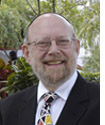
Nathan Katz
Nathan Katz is Distinguished Professor in the School of International and Public Affairs at Florida International University in Miami. He is also Academic Director of the Jewish Museum of Florida-FIU and founder/director of FIU's Program in the Study of Spirituality and is Academic Dean of the Chaim Yaakov Shlomo College of Jewish Studies. Arguably the world's foremost authority on Indian Jewish communities, he has been a pioneer in dialogues between Jews and Hindus/Jains/Buddhists. Among his fifteen books are the award-winning Who Are the Jews of India?" and a memoir, Spiritual Journey Home. His most recent book is Indian Jews, An Annotated Bibliography, 1665-2005.
Email: nkatz@theshul.org
 Conference Organizer
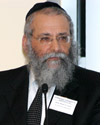
Rabbi Sholom D. Lipskar
Since receiving ordination from the Central Lubavitch Yeshiva in Brooklyn in 1968, Rabbi Sholom D. Lipskar has been an emissary in Miami for the Lubavitcher Rebbe. In 1969 he founded the Landow Yeshiva Center in Miami Beach, Florida. He has served as its principal and dean of its elementary school, yeshivah academy, and high school, and was responsible for training its rabbinical students. In 1981, he founded The Shul of Bal Harbour. As its head Rabbi, he is both the spiritual leader and educational programmer for all ages. Also in 1981, Rabbi Lipskar founded the Aleph Institute and the Educational Academy for the Elderly. The Aleph Institute is a non-profit national humanitarian organization dedicated to improving the quality of life for Jews in limited environments, including prisoners and military personnel and their families. Rabbi Lipskar has created alternative punishment philosophies and developed unique educational opportunities for the general public in the field of treatment of closed populations. He also directs the pioneering Educational Academy for the Elderly.
Rabbi Lipskar is the founder and chief organizer of the Miami International Conferences on Torah and Science.
 Conference Organizer
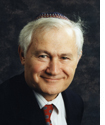
Professor Joseph S. Bodenheimer
TEditor-in-chief of B’Or Ha’Torah, Joseph S. Bodenheimer is a full professor of electro-optics at the Jerusalem College of Technology (Machon Lev) and president emeritus of this unique college. He received his PhD from the Hebrew University in physics. He did postdoctoral studies in laser spectrometry at Kings College, London University, and discovered two previously unknown phase transitions and also developed a new spectrometric technique. In 1982, Professor Bodenheimer was appointed head of the electro-optics department of the Jerusalem College of Technology. In 1989 he was elected rector and subsequently, up until 2009, was president of JCT. Under his leadership, JCT expanded dynamically to become a world-class institute, supporting Israel’s position as a global hi-tech superpower while combining Torah and academic studies.
Professor Bodenheimer has endeavored to make Israel a world leader in the field of optical engineering through his students and applied research. Awarded substantial research grants from institutes and foundations throughout the world, he has published over eighty papers and holds eleven patents in a broad range of electro-optical devices and systems. He has served as consultant for numerous high-technology companies in Israel and the United States and as a member of several national scientific committees. Professor Bodenheimer sets aside time for daily Talmud study, and gives regular shiurim. A founding member of the California chapter of the Association of Orthodox Jewish Scientists, he is a member of the Zomet Institute for Halacha and Technology, a member of the board of Nishmat Center for Advanced Torah Study for Women, and the president of Ramban Synagogue in Katamon, Jerusalem.
Fascinated by the combination of science and technology with Jewish studies and ethics, Joseph Bodenheimer is a life-long Zionist leader who loves working with young people, especially his own extensive family. He and his wife, Rachel, have eight children and many, many grandchildren.
Email: ysefb@jct.ac.il
 Nathan Aviezer
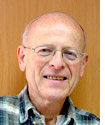
Nathan Aviezer is professor of physics and former chairman of the Physics
Department of Bar-Ilan University. The author of more than 140 scientific
articles on solid state physics, Aviezer was honored by his colleagues by
being elected as a Fellow of the American Physical Society and a Research
Professor of the Royal Society of London.
In addition to his scientific research, Aviezer has a long-standing interest in
the relationship between Torah and science. He is the author of two books: In
the Beginning (translated into nine languages) and Fossils and Faith (translated
into three languages). Aviezer teaches a course at Bar-Ilan University on
Torah and science, which was awarded the prestigious Templeton Prize.
Finally, Aviezer organizes an annual Torah and science conference which
attracts hundreds of participants from all over Israel.
Born in Switzerland and raised in the United States, Professor Aviezer
received his doctorate from the University of Chicago, and subsequently held
a senior research position at the IBM Watson Research Center in New York.
In 1967, Nathan and his wife Dvora made aliyah to Israel. Living in Petah Tikvah, the Aviezers have four children and quite a few grandchildren.
Email: aviezen@mail.biu.ac.il
 Barry Baumel, M.D.
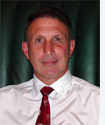
Barry Baumel, M.D. was founder, medical director and co-CEO at the Baumel-Eisner Neuromedical Institute, a leading medical research center in South Florida that specialized in the research of diseases of the central nervous system. He served as a Principal Investigator for clinical trials sponsored by the pharmaceutical industry as well as the National Institutes of Health.
Baumel-Eisner participated in studies of patients with memory disorders such as Alzheimer’s disease, as well as studies in major depressive disorder, Parkinson’s disease, migraine headache, stroke, generalized anxiety disorder, and peripheral neuropathy. In 2003 he joined the Board of Trustees of the Mind Research Network serving as its board chair from 2009 to 2010. For many years he has served on the board of the American Headache Society and the American Migraine Foundation. He is also a member of the development committee of the American Academy of Neurology's Foundation. Baumel graduated from the University of Miami School of Medicine and then completed his residency in Neurology at the University of Miami’s Jackson Memorial Hospital. He is also, an assistant clinical professor of neurology at the University of Miami.
 Daniel A. Drubach, M.D
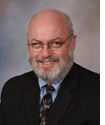
 Daniel Drubach, MD, completed double training in neurology and psychiatry at the University of Maryland and then went on to complete a fellowship in neurorehabilitation there. He was head of the Traumatic Brain Injury Rehabilitation Program and co-director of the Coma Emergency Program at the University of Maryland for several years. He then went on to join the Behavioral Neurology Division at Mayo Clinic, where he has worked for the past twelve years. He is active in the training of medical students as well as residents and fellows. He has written extensively on the neuroscience of music, meditation, language, religion, and many other topics. He also has published several articles discussing how the application of newly discovered neuroscience concepts can help us answer existential questions about free choice, empathy, mystical experiences, and other phenomena. He has given a number of lectures on this subject at multiple academic facilities. His main interest, however, is the interface between Judaic precepts and neuroscience. He is deeply convinced that the study of Judaic works can help us understand the brain, and vice versa.
Email: Drubach.Daniel@mayo.edu
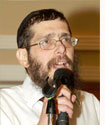 Rabbi Tzvi Freeman
Rabbi Tzvi Freeman is the author of several books, including Bringing Heaven Down To Earth and Heaven Exposed. He is a senior writer and editor for chabad.org, and director of chabad.org’s “Ask the Rabbi” service.
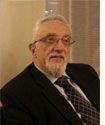 Dr. Manfred Gerstenfeld
Dr. Manfred Gerstenfeld’s background is in chemistry, economics, environmental studies and Jewish studies. He is a board member of the Jerusalem Center for Public Affairs, which he chaired from 2000 to 2012. Gerstenfeld has been an international business strategist for forty years. He has worked in twenty countries and his clients have included the boards of several of the world’s largest multi-national companies as well as governments. He has also been a board member of several public companies including a large investment firm. His current work focuses on anti-Semitism and changes in the Jewish world. Gerstenfeld has authored sixteen books and edited five. Books of his have been published in seven languages. Gerstenfeld’s books which address environmental issues are: Environment and Confusion: An Introduction to a Messy Subject, first edition 1993, second English edition 2000; Judaism, Environmentalism and the Environment, 1998; Environment in the Jewish Tradition, A Sustainable World, (Hebrew), 2002.
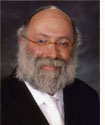
Rabbi Simon Jacobson is the author of Toward a Meaningful Life (William Morrow, 2002), founder of The Meaningful Life Center (meaningfullife.com) and publisher of the Yiddish English weekly, The Algemeiner Journal (algemeiner.com). Rabbi Jacobson served as the documenter and publisher of the seventh Lubavitcher Rebbe’s public talks from 1979 till 1992. He also headed the research team for Sefer Halikutim, an encyclopedic collection of Chassidic thought (twenty-six volumes, published from 1977 to 1982). As one of most pioneering and sought after writers and speakers in the Jewish world today, Rabbi Jacobson has deeply impacted diverse audiences in all continents with his keen insights into the human condition, applying Torah thought to contemporary life, in a cutting edge voice that is rooted in the timeless teachings of Judaism, while being profoundly timely and relevant.
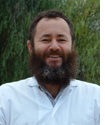 Yakir Kaufman, MD
Yakir Kaufman was born in Haifa and received his MD from the Hebrew University Hadassah Faculty of Medicine in 1994. In 1995 he became a resident doctor at the Department of Neurology of the Hadassah University Hospital in Jerusalem. Dr. Kaufman is a member of the Israel Neurological Association and the Israel Integrative Medicine Society. He spent two years in Toronto, Canada, as a Fellow in the Behavioural Neurology Program at the Baycrest Centre for Geriatric Care and the Rotman Institute. Since his return to Jerusalem in 2004, he has joined the medical staff of Herzog Memorial
Hospital (now called the Herzog Integrative Medical Center), where he heads the department of neuropsychogeriatrics and has founded the Brain Health Center, which combines conventional and complementary medicine, using also a spiritual approach, placing the patient at the center of the healing process. In addition to teaching medicine with an integrative approach at the Hebrew University Hadassah Medical School, Dr. Kaufman founded and heads the spiritual support program for patients and caregivers at Herzog Hospital. He is a member of the steering committee of the Israeli Network of the Jewish Spiritual Support Organizations. His research on behavioral neurology focuses on psychoneuroimmunology (PNI—the science linking body and mind) and the link between spirituality, meaning, and health.
Email: ytkaufman@hotmail.com
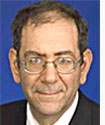 Barry M. Kinzbrunner
Barry M. Kinzbrunner, MD, FACP, FAAHPM, is Executive Vice President and Chief Medical Officer for Vitas Healthcare Corporation of Miami, Florida. Board certified in internal medicine, medical oncology, and hospice and palliative medicine he has voluntary faculty appointments at the University of Miami School of Medicine and the Florida International University School of Medicine. He received rabbinic ordination from Pirchei Shoshanim in Jerusalem, Israel in 2002.
Dr. Kinzbrunner’s extensive experience in the field of hospice and palliative medicine includes numerous speaking engagement and publications on the care of patients at the end of life, including a textbook entitled 20 Common Problems in End of Life Care. A second edition, under the title End of Life Care: A Practical Guide, was published in January, 2011. Under Dr. Kinzbrunner’s leadership, Vitas has partnered with the American Medical Student Association to offer a yearly six week summer internship in end-of-life care for medical students. Dr. Kinzbrunner has worked since 1998 as a voluntary consultant in Israel for JDC-Eshel to assist in the development of hospice and palliative care services, as well as spiritual care services. Currently serving on the advisory board of the National Institute for Jewish Hospice, he served on the Board of Directors of the American Academy of Hospice and Palliative Medicine from 1999-2006, and was its treasurer from 2005 to 2006.
Email: Barry.Kinzbrunner@vitas.com
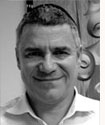 Dr. John D. Loike
 Dr. John D. Loike serves as Director of Special Programs in Columbia University's Center for Bioethics and faculty in the Department of Physiology at Columbia University College of Physicians and Surgeons. His research focuses on the role of immune cells in cancer and neurodegenerative diseases. He serves as the course director of Crossroads in Bioethics, Bioethics for Biomedical Engineers at Columbia College. He is the cocourse director for a graduate-level course called Atherosclerosis and the Mechanisms of Disease. Dr. Loike also is the creator and managing editor of the Columbia University Journal of Bioethics and directs the Thailandbased summer internship program called Bioethical Cross-cultural Education Programs (BioCEP). He has over 100 publications in major scientific and bioethical journals, has co-authored several books, and is a frequent speaker at many professional events in the Jewish community in the US and around the world. Currently, he is co-authoring a book with Rabbi Professor Moshe Tendler on the Halachic perspectives of bioethics, to be published by the
Yeshiva University press.
Email: jdl5@columbia.edu
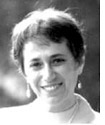 Professor Vera Schwarcz
Born in Romania, Professor Vera Schwarcz is a China historian and poet.
She earned her BA from Vassar, MA from Yale, and PhD from Stanford. The author of eight books on Chinese and Jewish history, including the prizewinning Bridge Across Broken Time: Chinese and Jewish Cultural Memory; The Chinese Enlightenment: Intellectuals and the Legacy of the May Fourth Movement of 1919; Time for Telling Truth is Running Out: Conversations with Zhang Shenfu; Place and Memory in Singing Crane Garden; and the forthcoming volume: Colors of Veracity: A Quest for Truth in China, and Beyond (forthcoming from Hawaii University Press, 2014). She has also written five books of poetry, among them: In the Garden of Memory (with paper art by Holocaust survivor Chava Pressburger), Brief Rest in the Garden of Flourishing Grace; Chisel of Remembrance and Ancestral Intelligence: Improvisations and Logographs. Schwarcz holds the Freeman Chair in East Asian Studies at Wesleyan University in Connnecticut. Her work won a Guggenheim fellowship and is featured on the web at: between2walls.com.
Email: vschwarcz@wesleyan.edu
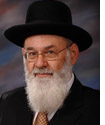 Rabbi Professor Avraham Steinberg, MD
RRabbi Professor Avraham Steinberg, MD, is an associate clinical professor of medical ethics at the Hebrew University–Hadassah Medical School in Jerusalem. He is the author of The Encyclopedia of Jewish Medical Ethics, published in seven volumes in Hebrew (two editions) and three volumes in English (translated by Dr. Fred Rosner), for which he was awarded the Israel Prize in 1999. Professor Steinberg is a senior pediatric neurologist at Shaare Zedek Medical Center in Jerusalem. He directs the Medical Ethics Unit at Shaare Zedek. Head of the editorial board of the Talmudic Encyclopedia, he is also director of Yad Harav Herzog, and a member of national and international societies of child neurology, medical ethics, and Jewish medical ethics.
In Israel, Professor Steinberg is the co-chairman of the National Bioethics Council, chairman of the National Committee in accordance with the Dying Patient Act, a member of the National Committee in accordance with the Brain-Death Act, a member of the National Committee for Inspection on Mohalim, a member of the Institutional Review Board (“Helsinki Committee”) of Shaare Zedek, and a member of the Ethics Committee of Shaare Zedek. He is the author and editor of 36 books and public reports in 53 volumes, and over 260 articles and chapters in scientific journals and books on Jewish medical ethics, general medical ethics, the history of medicine, medicine and law, and pediatric neurology. He has given over 3,000 expert witness opinions in court cases on pediatric neurology and medical ethics.
Email: steinberg@szmc.org.il
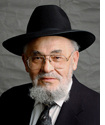 Rabbi Professor Moshe D. Tendler
Rabbi Professor Moshe D. Tendler, noted authority on medical ethics and the relationship of medicine and science to Jewish law, is rosh yeshivah at the Yeshiva University–affiliated Rabbi Isaac Elchanan Theological Seminary (RIETS) and professor of biology at Yeshiva College, and holds the Rabbi Isaac and Bella Tendler Chair in Jewish Medical Ethics at Yeshiva University.
Rabbi Tendler was ordained at RIETS in 1949 and received Yoreh Yoreh in 1953 from Rabbi Moshe Feinstein, of righteous memory. He earned a PhD in biology from Columbia University in 1957. He has served on the Medical Ethics Task Force of the Federation of Jewish Philanthropies, for which he edited the Compendium of Medical Ethics. For nine years he served as its chairman. For decades he chaired the Bioethical Commission of the Rabbinical Council of America. A former president of the Association of Orthodox Jewish Scientists and current member of its board, Rabbi Tendler is author of Pardes Rimonim (a text on Jewish family life); coauthor with Professor Fred Rosner, MD, of Practical Medical Halachah, a primer for physicians; and author of Care of the Critically Ill—Responsa of Rav Moshe Feinstein; as well as many articles on science and religion in leading publications. He is frequently consulted by the media and public officials on ethical issues.
Email: Tendler@YU.edu
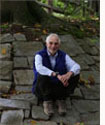 Professor Wolfe
Professor Emeritus of Cell Biology at Wesleyan University in CT, Jason Wolfe was born and raised in Newark, NJ, studied at Yeshiva University High School, and received a BA from Rutgers University and a PhD from the University of California-Berkeley. He did post-doctoral research at the Biophysical Unit of the Medical Research Council, Kings College, in England, and the Biophysics Department at Johns Hopkins University in Baltimore, MD. His research concentrated on the mechanism by which cells, while remaining alive, destroy their own nuclei (sometimes a necessary part of development), and showed that it is related to the process of Programmed Cell Death. He taught courses on the biology of aging and the cell biology of cancer.
Professor Wolfe spent three sabbatical years in Israel at the Hebrew University, the Technion, and Hadassah Medical School. He lived for a year in the religious kibbutz, Ma’alei Gilboa. He is a past president of Young Israel of West Hartford and former chairman of the Judaic Studies Board of the Hebrew Academy of Greater Hartford.
Email: jwolfe@wesleyan.edu
